

Key March dates for employee communications
by Julie Ferguson | Feb 23, 2024 | Tools, Wellness, Work Life issues

Key February dates for employee communications
by Julie Ferguson | Jan 24, 2024 | News & Views, Wellness, Work Life issues

November dates & events for employee communications
by Julie Ferguson | Oct 30, 2023 | Tools, Wellness, Work Life issues

October dates & events for employee communications
by Julie Ferguson | Sep 22, 2023 | Tools, Wellness, Work Life issues
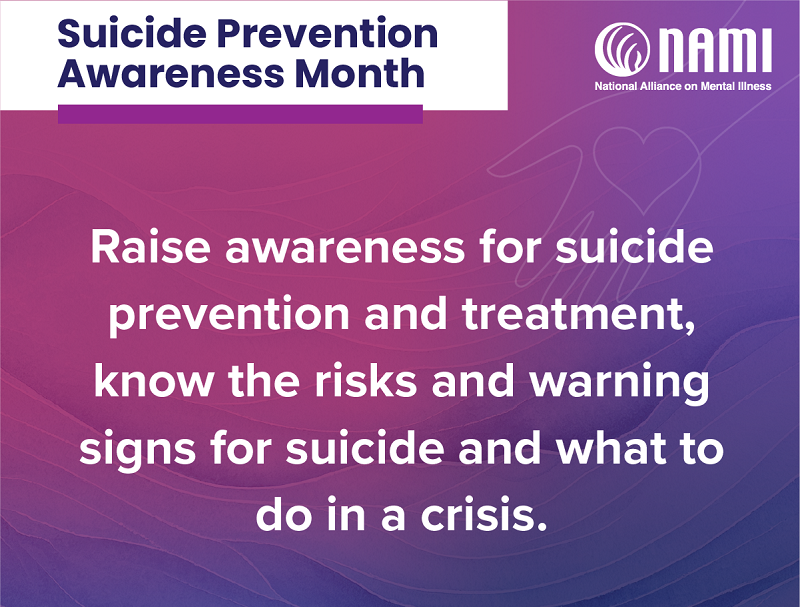
September dates & events for employee communications
by Julie Ferguson | Aug 25, 2023 | Tools, Wellness, Work Life issues

Money worries? April is Financial Literacy Month. Learn how ESI EAP can help
by Julie Ferguson | Mar 25, 2022 | Employees, Problems, Work Life issues

Pandemic or not, it’s important to take your vacation time
by Julie Ferguson | Aug 25, 2020 | Coronavirus, Employees, Mental Health, Tools, Work Life issues

Covid-19: Back to School Resources for Parents
by Julie Ferguson | Aug 12, 2020 | Coronavirus, Employees, Tools, Work Life issues
Pages
- 3 Reasons to Replace your EAP
- 300% More Employees Use ESI vs A Traditional EAP
- 5 Reasons to Upgrade your EAP to an ESI EAP
- 5 Reasons to Use your EAP Benefits
- 920 Pro
- 9300 Series
- 98% Employer Satisfaction
- 98%+ Employee Satisfaction
- About Us
- About Us Video
- Better EAP Results Start with Better Clinical Counseling Services
- Careers
- ESI Delivers More Help for HR Managers
- Industry-Specific EAPs
- Peak Performance Coaching Improves Employee Skills
- Personal & Professional Growth Through Extensive Online Training Program
- Self-Help Resource Center Drives Better Results
- Accessing the Employee Engagement Program – Managers Only
- Accessing The Employee Engagement Program for Managers & Supervisors
- Accessing the ESI Knowledge Center for Members
- Adoption Counseling
- Affordable Training and Development
- All EAPs are Not Created Equal
- App
- April 2012 – Little Things Can Mean A Lot
- April 2013 – Workplace Communication Skills
- April 2014 – Act Like You Own the Place!
- April 2015 – Get Smart this Spring!
- April 2016 – Caring for the Caregivers
- April 2017 – We get questions!
- April 2018 – Step up to Spring
- April 2019 – The opioid problem
- April 2020 – Coronavirus Resources
- April 2021 – Taking Matters into Your Own Hands!
- April 2022 – Don’t Let Stress Get the Best of You!
- April 2023 – How to Say “No” to Stress Overload
- April 2024 – Tune Up For Spring!
- Are alcohol or drugs causing problems in your life?
- Are alcohol or drugs causing problems in your life?
- asd
- Ask the Personal Assistant
- Ask the Personal Assistant
- August 2012 – Research into Aging
- August 2013 – Lessons Learned the Hard Way
- August 2014 – Stressing the Positive
- August 2015 – Master this Vital Life Skill
- August 2016 – Turn down the rage meter
- August 2017 – Change is the new normal
- August 2018 – Caring until it hurts
- August 2019 – Save money with your EAP
- August 2020 – Have You Explored Your New Training Benefits Yet?
- August 2021 – Managing post-pandemic anger, stress, and anxiety
- August 2022 – When The News Is Too Much…
- August 2023 – Supercharge Your Skills with Summer Training
- Benefits to Improve Employee Engagement, Performance and Productivity
- Best Practices for Hiring & Interviewing
- Best Practices for Hiring and Interviewing – Thank You for Downloading
- Better Clinical Counseling Model
- BLI Information & Process Form
- Broker – Specialty EAP
- Broker Information
- Career and Education Resources
- Challenges of Military Deployment and Homecoming
- Child and Elder Care
- Client and Contact Change Form
- College Tuition Discount Benefit – Prospects
- Contact Test
- Contact Us
- Contact Us – 2020
- Contract Renewal Billing Alert
- Cyber Safety Resources
- Debt Counseling
- December 2012 – A Second Look at Anger
- December 2013 – Attitude Determines Outcome
- December 2014 – The Greatest Gift of All
- December 2015 – Coping with the Super-Stress Season
- December 2016 – Dos and don’ts for surviving holiday family dynamics
- December 2017 Newsletter – Seasonal Survival Tips
- December 2018 – Time to hit the reset button
- December 2019 – Keep your calm in the super-stress season
- December 2020 – Holiday Family Dynamics In The Time of Covid-19
- December 2021 – Seasonal Best Wishes From Your EAP!
- December 2022 – Advice for Happy Holiday Dynamics
- December 2023 – Planning for success in 2024!
- Direct access to Human Resource consultants and clinicians
- Direct access to Human Resource consultants and clinicians
- Disclaimer
- Drug Free Workplace and DOT Compliance Program
- EAP – Lost Productivity Savings
- EAP Awareness Setup Form
- EAP Benefits to Help Improve Your Personal Finances – Educators’ EAP
- EAP Benefits to Help Improve Your Personal Finances – HealthCare
- EAP Benefits to Help Improve Your Personal Finances – Higher Ed EAP
- EAP Benefits to Help Improve Your Personal Finances – Public Safety
- EAP Effectiveness
- EAP Effectiveness for HR & Supervisors
- EAP Member Counseling
- EAP Newsletters
- EAP Quality
- EAP Supervisor Orientation
- EAP Utilization Guarantee
- Educators’ EAP – Explore your EAP Benefits
- Educators’ EAP
- Educators’ EAP Member Resources
- EEP Best Practice Learning Center
- EEP-Employee Engagement
- EEP-Onboarding & Development
- EEP-Recruiting and Interviewing
- Employee Benefits Categories
- Employee Benefits Overview
- Employee Engagement – Drawer Style
- Employee Orientation
- Employee Orientation – 1990
- Employee Orientation – Looped Version
- Employer Benefits Overview
- ESI – MMO Material Request with pricing
- ESI – Promo Items/Fairs/Benefits Order Form
- ESI Client Cancellation Form
- ESI Delivers More Help For HR Managers
- ESI Employee Engagement Program
- ESI Employee Engagement Program
- ESI Employee Engagement Program – Elevator Speech
- ESI Employee Engagement Program (EEP)
- ESI Employee Engagement Program Overview
- ESI Hard Copy Material Request 2022
- ESI Holiday Greetings
- ESI Member Resources
- ESI Online Training Center Learner Welcome
- ESI Peak Performance Benefits
- ESI Promise
- ESI Superiority
- ESI Supervisor Member Resources
- ESI Value
- Explore your EAP Benefits
- Family Matters
- FAQs
- February 2012 – Keep Your Workplace Free of Sexual Harassment
- February 2013 – Owning Your Mistakes
- February 2014 – Boomers & Millennials Strive for Mutual Understanding
- February 2015 – A Fair Fight
- February 2016 – Be a lover, not a hater
- February 2017 – Dealing with defeats
- February 2018 – Random acts of kindness
- February 2019 – Have a heart
- February 2020 – Be Heart Smart
- February 2021 – Reach Your Financial Goals!
- February 2022 – Love In The Real World
- February 2023 – Spread The Love
- February 2024 – Spread The Love
- Finding Your EAP Training Center Certificate
- FTA Drug Training
- Get healthy, Get fit
- Get healthy, Get fit
- Getting the Most Out of Your EAP – Educators’ EAP
- Getting the Most Out of Your EAP – HealthCare EAP
- Getting the Most Out of Your EAP – Higher Ed EAP
- Getting the Most Out of Your EAP – Public Safety EAP
- Getting The Most Out Of Your EAP – TotalCare EAP
- Global Compliance Network
- Happy Holidays from Your EAP
- Headset Instructions
- Healthcare EAP
- HealthCare EAP – Explore your EAP Benefits
- HealthCare EAP Member Resources
- Heightened EAP Communications Improve Productivity and the Return on Your EAP Investment
- Heightened EAP Communications Improve Productivity and the Return on Your EAP Investment – Thank You for Downloading
- Help at your fingertips 24 /7
- Help for Employees in the Pandemic
- Help for marriage problems
- Higher Ed EAP – Explore your EAP Benefits
- Higher Ed EAP Member Resources
- Higher Ed Employee Orientation – TEST
- Higher Education EAP
- Home
- How to Find a Training
- How to Use Your EAP Resources – Educators’ EAP
- How to Use Your EAP Resources – HealthCare EAP
- How to Use Your EAP Resources – Higher Ed EAP
- How to Use Your EAP Resources – Public Safety EAP
- How to Use Your EAP Resources – TotalCare EAP
- HR Web Cafe
- Information Resources
- Information Resources
- Introducing – ESI Peak Performance Benefits
- Introducing the EAP Wellness Coaching Benefit
- Introducing Your Resource Assistance Plan (RAP)
- January 2012 – Alcohol Overuse is Abuse
- January 2013 – Family Dinners
- January 2014 – Sharpen Your Tightrope Walking Skills
- January 2015 – Turn Over a New Financial Leaf In 2015
- January 2016 – New Year, New Money Plan
- January 2017 – 8 common reasons why New Year’s resolutions fail
- January 2018 – Giving and Getting Respect
- January 2019 – Stuck in the doldrums?
- January 2020 – Supercharge your New Year’s Resolutions with a Coach
- January 2021 – It’s Time for a Fresh New Start!
- January 2022 – Tips for When You’re Feeling S.A.D.
- January 2023 – Make 2023 A Year of Positive Change
- January 2024 – Minding your Money: A Financial Checklist
- Job Transition Resources
- Job Transition Resources
- July 2012 – Dealing with Change
- July 2013 – Eldercare: A Major Concern for Today’s Workforce
- July 2014 – Learn to Throw a Lifeline
- July 2015 – 5 Seconds of Distraction
- July 2016 – Are your affairs in order?
- July 2017 – Summer Safety
- July 2018 – The healing properties of laughter
- July 2020 – Introducing your new turbocharged training benefits!
- July 2021 – Summer Savings for Summer Fun!
- July 2022 – Tips for a healthy, happy & safe summer
- July 2023 – Summer Fun & Safety
- June 2012 – Manage Your Time
- June 2013 – Is Your Workplace a “Neighborhood”?
- June 2014 – Saving Money with your EAP
- June 2015 – How to be an Anti-Bully
- June 2016 – Coworkers we love to hate
- June 2017 – Body language cues
- June 2018 – People are asking…
- June 2019 – Is your phone hurting your health?
- June 2020 – Healing & Helping
- June 2021 – Family Matters!
- June 2022 – Brain Health, Aging, and Memory Loss
- June 2023 – Inclusivity & Fairness at Work
- Lifestyle Benefits
- MAP Benefits to Help Improve Your Personal Finances – Union UAP
- March 2010 – Debt, Savings of Money Woes Got You Down?
- March 2012 – Nine Thought Keys to Minimize Workplace Conflict
- March 2013 – The Importance of Plan B
- March 2014 – Are You Connected with Your Co-Workers?
- March 2015 – Your Own Personal Spring Training
- March 2016 – Tolerance in the Workplace
- March 2017 – Managing work distractions
- March 2018 – Prescription Drug Dangers
- March 2019 – Money Matters!
- March 2021 – Has the Pandemic got you down?
- March 2022 – Improve Your Financial Fitness
- March 2023 – Boost Your Nutrition to Boost Your Health!
- March 2024 – Good Grief: Healing After a Loss
- May 2012 – How to Be Happy at Work!
- May 2013 – You Won’t Recognize Yourself in 10 Years
- May 2014 – The Perils of Painkillers
- May 2015 – Slow Down and Smell the Roses
- May 2016 – Mental Health Matters
- May 2017 – Don’t let stress control you!
- May 2018 – Get a boost from a Coach!
- May 2019 – May is Mental Health Month
- May 2020 – 24/7/365 – We’re Here For You!
- May 2021 – Put A Spring in Your Step!
- May 2022 – May Is All About Your Self Care!
- May 2023 – Spring Into Action for Your Mental Health!
- May 2024 – Get Mental Health Relief!
- Member Site Unavailable
- Most EAPs Don’t Earn Their Keep
- New and Improved Online Training Center for Employees
- New and Improved Online Training Center for Managers
- New Login
- New Login PS
- New Peak Performance Benefits from your EAP!
- New Solutions for HR’s Biggest Productivity Challenges
- New Solutions for HR’s Biggest Productivity Challenges – Thank You for Downloading
- Newsletters
- Not All EAPs are Created Equal
- Not All EAPs are Created Equal – Thank You for Downloading
- Not all Employee Assistance Counseling Is the Same
- November 20118 – Support for caregivers
- November 2012 – How Well Do You Treat Your Internal Customers
- November 2013 – 5 Things You Should Never Say at Work
- November 2014 – Normal Aging or Dementia?
- November 2015 – You’ve Got Questions, We’ve Got Answers
- November 2016 – Debt “don’ts” for the holiday season
- November 2017 Newsletter – How to be cyber safe
- November 2019 – Caring for the Caregiver
- November 2020 – How to Enjoy the Holidays and Not Go Broke
- November 2021 – Prepping for the holiday season
- November 2022 – Diabetes Prevention
- November 2023 – Challenges of Caregiving
- October 2012 – Tune into the Emotional Benefits of Music
- October 2013 – Death by Texting: America’s New Scourge
- October 2014 – Paying it Forward
- October 2015 – Unhealthy Dependencies
- October 2016 – When grief is complicated
- October 2017 – Financial stress is keeping us awake at night
- October 2018 – Tackling family violence
- October 2019 – Are You “Normal”?
- October 2020 – Take Care of your Mental Health Through the Pandemic
- October 2021 – Dangerous Family Secrets
- October 2022 – Mental Health Awareness
- October 2023 – Plan early to avoid holiday debt
- On-site or web conference training programs for managers
- On-site or web conference training programs for managers
- Online Training
- Only ESI Provides 8,000 Online Trainings
- Onsite Training Invoice Request Form
- Over 25,000 Self-Help Solutions Drive Better Results
- Parenting Resource Center
- Peak Performance Benefits: The next generation EAP
- Personal Development and Training
- Pets are family members, too!
- Pets are family members, too!
- Popup Blockers
- Pre-employment screening to cut turnover and trim costs
- Pre-employment screening to cut turnover and trim costs
- Preventing Workplace Sexual Harassment in the #MeToo Era
- Preventing Workplace Sexual Harassment in the #MeToo Era – Thank You for Downloading
- Privacy & Security
- Programs to address unacceptable employee performance
- Provider
- Provider Portal
- Provider Resources
- Public Safety
- Public Safety – Your Covid-19 Fatigue Relief Kit
- Public Safety EAP
- Public Safety EAP Resources
- Public Safety Employee Orientation
- Public Safety Employer Supervisor Orientation
- Public Safety Explore Your EAP Benefits
- Public Safety Online Training Center Learner Welcome
- Reduce your stress
- Reset Password or Forgot Username
- Retirement/College Savings Plan
- Retirement/College Savings Plan
- Retirement/College Savings Plan
- See Sidebar
- See What Our Clients are Saying
- September 2012 – The Sandwich Generation
- September 2013 – Are You a Workplace Outsider?
- September 2014 – Redefining Financial Success
- September 2015 – Family Tips for Easing “Back to School”
- September 2016 – Good news: Activity can lower your cancer risk
- September 2017 – A modern-day epidemic
- September 2018 – Eat a live frog!
- September 2019 – Supporting friends or family who have cancer
- September 2020 – Get Smart! E-Learning at your fingertips
- September 2021 – Back to school for grown-ups!
- September 2022 – Everyday Problems Keeping Us Up At Night!
- September 2023 – Secrets to a Long, Happy Life
- Seven Best Practices to Avoid Workplace Violence
- Seven Summertime Stressbusters
- Sidebar Archive
- Sitemap
- Slide Anything Popup Preview
- Sold Account Form 2023
- Sold Account Form 2023-2
- Solutions for Common Issues
- Spanish Newsletters
- Speak to a Counselor
- Speak to a Counselor
- Special Needs Children Benefit
- Stress and Financial Programs
- Test- Client and Contact Change Form
- Thank you – Blog Sign Up
- Thank you – Blog Sign Up – Brokers
- The burden of being a caregiver
- The Employee Engagement Problem
- The Key to Employee Satisfaction & Engagement
- The Leaking Bucket
- The Leaking Bucket – Thank You for Downloading
- Tools for Tough Times
- TotalCare – EAP Employee Orientation
- TotalCare EAP
- TotalCare EAP Benefit Overview
- TotalCare EAP Employee Orientation
- TotalCare EAP Live Overview 3-27-2024
- TotalCare EAP Member Resources
- TotalCare EAP Resource Centers
- TotalCare Employee Orientation – EEP
- TotalCare Employee Orientation 2019
- Trained response teams for on-site trauma intervention
- Trained response teams for on-site trauma intervention
- Union AP
- Union AP – Explore your EAP Benefits
- Union Assistance Program Member Orientation – NYSNA
- Union MAP Member Resources
- Video Compliance Training Introduction
- Video de Orientacion
- Video Library
- Violence Prevention in the Workplace for Employees
- Violence Prevention in the Workplace for Managers & Supervisors
- Web Calculator
- Wellness Blog
- Wellness Center
- Wellness Consent Form
- When depression persists…
- White Papers
- Why Is ESI Employee Utilization Higher than Other EAPs
- Work/Life Counseling Benefits
- Your Covid-19 Fatigue Relief Kit
- Your ESI Counseling and Coaching Benefits – Public Safety EAP
- Your Free Confidential EAP Benefits – Educators’ EAP
- Your Free Confidential EAP Benefits – Higher Ed EAP
- Your Free Confidential EAP Benefits – Public Safety EAP
- Your Free Confidential EAP Benefits – TotalCare EAP
- Your Free Confidential EAP Benefits – HealthCare EAP
- Your No Cost, No Risk EAP Solution
Recent Posts
Archives
- March 2024
- February 2024
- January 2024
- December 2023
- November 2023
- October 2023
- September 2023
- August 2023
- July 2023
- June 2023
- May 2023
- April 2023
- March 2023
- February 2023
- January 2023
- November 2022
- October 2022
- September 2022
- August 2022
- July 2022
- June 2022
- May 2022
- April 2022
- March 2022
- January 2022
- December 2021
- November 2021
- October 2021
- September 2021
- July 2021
- June 2021
- April 2021
- March 2021
- February 2021
- January 2021
- December 2020
- November 2020
- October 2020
- September 2020
- August 2020
- July 2020
- June 2020
- May 2020
- April 2020
- March 2020
- February 2020
- January 2020
- December 2019
- November 2019
- October 2019
- September 2019
- August 2019
- July 2019
- June 2019
- May 2019
- April 2019
- March 2019
- February 2019
- January 2019
- December 2018
- November 2018
- October 2018
- September 2018
- August 2018
- July 2018
- June 2018
- May 2018
- April 2018
- March 2018
- February 2018
- January 2018
- December 2017
- November 2017
- October 2017
- September 2017
- August 2017
- July 2017
- June 2017
- May 2017
- April 2017
- March 2017
- February 2017
- January 2017
- December 2016
- November 2016
- October 2016
- September 2016
- August 2016
- July 2016
- June 2016
- May 2016
- April 2016
- March 2016
- February 2016
- January 2016
- December 2015
- November 2015
- October 2015
- September 2015
- August 2015
- July 2015
- June 2015
- May 2015
- April 2015
- March 2015
- February 2015
- January 2015
- December 2014
- November 2014
- October 2014
- September 2014
- August 2014
- July 2014
- June 2014
- May 2014
- April 2014
- March 2014
- February 2014
- January 2014
- December 2013
- November 2013
- October 2013
- September 2013
- August 2013
- July 2013
- June 2013
- May 2013
- April 2013
- March 2013
- February 2013
- January 2013
- December 2012
- November 2012
- October 2012
- September 2012
- August 2012
- July 2012
- June 2012
- May 2012
- April 2012
- March 2012
- February 2012
- January 2012
- December 2011
- November 2011
- October 2011
- September 2011
- August 2011
- July 2011
- June 2011
- May 2011
- April 2011
- March 2011
- February 2011
- January 2011
- December 2010
- November 2010
- October 2010
- September 2010
- August 2010
- July 2010
- June 2010
- May 2010
- April 2010
- March 2010
- February 2010
- January 2010
- December 2009
- November 2009
- October 2009
- September 2009
- August 2009
- July 2009
- June 2009
- May 2009
- April 2009
- March 2009
- February 2009
- January 2009
- December 2008
- November 2008
- October 2008
- September 2008
- August 2008
- July 2008
- June 2008
- May 2008
- April 2008
- March 2008
- February 2008
- January 2008
- December 2007
- November 2007
- October 2007
- September 2007
- August 2007
- July 2007
- June 2007
- May 2007
- April 2007
- March 2007
- February 2007
- January 2007
- December 2006
- November 2006
- October 2006
- September 2006
- August 2006
- July 2006