
Choose the Best EAP Plan that’s Right For You
 TotalCare EAP
 Higher Ed EAP
 Public Safety EAP
 HealthCare EAP
 Educators’ EAP
 Union AP
Resource Library
Making Employee Mental Health a Priority
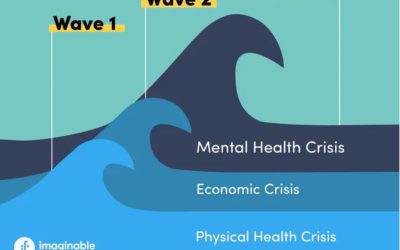
Employee mental health continues to be a front-burner issue in the workplace. We discuss what employers can do to help their employees navigate persistent post-pandemic mental health challenges. Four years ago in March, the World Health Organization declared that...

HR News Roundup: Trust, Taboo Topics, Talent & More
Your employees may not trust you. Here’s what HR can do Tom Starner, Human Resource Exeutive As global uncertainty continues to affect organizations and their workforces, trust in the workplace is needed more than ever—but leaders appear to have significant work ahead...

Key April dates for employee communications
Planning upcoming employee communications? See our list of key April dates & events, along with links to helpful resources. ESI EAP employee members also have access to counseling, coaching and a wealth of online self-help resources, including webinars, health...
Resource Library
Making Employee Mental Health a Priority
Employee mental health continues to be a front-burner issue in the workplace. We discuss what employers can do to help their employees navigate persistent post-pandemic mental health challenges. Four years ago in March, the World Health Organization declared that...
HR News Roundup: Trust, Taboo Topics, Talent & More
Your employees may not trust you. Here’s what HR can do Tom Starner, Human Resource Exeutive As global uncertainty continues to affect organizations and their workforces, trust in the workplace is needed more than ever—but leaders appear to have significant work ahead...
Key April dates for employee communications
Planning upcoming employee communications? See our list of key April dates & events, along with links to helpful resources. ESI EAP employee members also have access to counseling, coaching and a wealth of online self-help resources, including webinars, health...

Sober curious? We’ve got resources to help
April is National Alcohol Awareness Month, a good time to think about your drinking and the impact on your overall health and well being. If you're sober-curious, we have some resources to help. Gallup has tracked Americans use of and attitudes towards alcohol for...
See What Our Clients are Saying!

"ESI is the best EAP program I have worked with. I made the move to ESI with a previous employer over 5 years ago and was continually impressed with their support, resources, and response time. When I became employed at the Co-op, one of the first things I did was move the Co-op to ESI for EAP resources. The resources available to staff and their families is in excess of any other EAP. I highly recommend the ESI Team!"
Mary Saritelli, Director of Human Resources
Co-op Food Stores
"The EAP program has been so beneficial to our staff that we now include their video introducing the program to our new hire’s first day of Orientation. Our ESI representative, Karen, is wonderful. She is responsive to our questions and has graciously been the speaker at a recent All Staff Meeting to continue to spread the word about the benefits of EAP. I cannot say enough good things about our experience with ESI and highly recommend them."
Lori O’Connor, Human Resources Generalist
Lake Sunapee Region VNA & Hospice
"ESI is above and beyond the best Employee Assistance Program that I have worked with. They provide an abundance of very useful materials along with a wealth of educational and training resources which our company has been increasingly utilizing and finding exceptionally beneficial. Karen Allen is so proactive and consistently keeping us abreast of changes, new offerings, as well as support and data usage reporting. I highly recommend ESI, you won’t be disappointed."
Shelly Bragg, VP Human Resources
GEOKON, Inc.